By mid-July, every parent I know is running the same play: pull the curtains, stash icy pops in the freezer, and calculate how many minutes of outdoor fun the kids can handle before they melt into puddles. One summer, when my eldest was six and convinced our backyard was the Sahara, we finally rented an inflatable waterslide for a Saturday birthday. I still remember the look on his face when the blower roared, the vinyl rose like a bright blue mountain, and water began to spill down the lanes. For the first time that July, the kids lasted outside longer than the frozen treats.
This guide walks through the details parents actually weigh when planning a hot-weather party at home. It is part practical checklist, part field notes from years of helping neighbors, schools, and sports teams pick the right units. The goal is simple: make your day easier, safer, and more fun.
Waterslides versus dry inflatables
Inflatable waterslides are not only the dry slides with a hose attached. The seams, liners, and pool ends are designed to hold water and handle the higher-speed landings you don’t get on dry rides. You still see classic bounce houses for parties during the warmer months, especially with younger kids, but waterslides change the tone of the event. The energy goes up, heat stress goes down, and you avoid the constant “I’m sweaty” soundtrack that tends to come with a bouncy house.
A bounce castle is the default for indoor gyms or spring festivals because it sets up quickly and takes up less space. Once temperatures hit 85 and humid, the waterslide earns its keep. For mixed-age crowds, a combo unit that blends a small jumping area, a short slide, and a splash pad often lands in the sweet spot. It keeps little ones busy without overwhelming them.
Picking the right size for your yard and your budget
The most common backyard waterslides rented for birthday parties reach 12 to 18 feet tall, with footprints in the 25 to 35 foot range. Larger slides, 20 to 24 feet tall, travel to block parties, church picnics, and team banquets. In rental speak you’ll also hear about “lane count.” Single-lane slides suit smaller guest lists. Dual-lane slides double throughput, cut down on line fatigue, and make races possible without adding much supervision complexity.
For yards with tight gates or mature landscaping, measure carefully. Many units need a clear path at least 36 inches wide from the driveway to the setup spot. Overhead clearance matters too; a 16 foot slide plus a few feet of wiggle room means trees and power lines must be well out of the way. I’ve watched crews do a careful sideways pivot through a 34 inch gate, but it adds time, and sometimes scratches the fence. Measure first, not when the truck is idling at the curb.
Budget-wise, daily rental rates vary by market. In many suburbs, a 14 foot waterslide lands in the 250 to 400 dollar range for a standard day, often defined as 4 to 8 hours. Larger dual-lane slides might be 450 to https://www.bigwavepartyrentals.com/ 750 dollars. Prices reflect age of the unit, brand, weekend demand, and the included services like delivery, setup, and sanitized liners. If you see a deal that looks too low, ask how old the vinyl is and whether they rotate their fleet. A slide past its prime feels dull, holds water in odd places, and takes longer to dry, which can affect cleanliness.
Safety is a habit, not a feature
Parents often ask which model is the safest, as if a single spec can carry the day. In practice, safety comes from three things: appropriate sizing for the age group, a clear set of rules enforced with good humor, and an operator or adult who never tunes out.
Slide height and steepness matter. For parties with mostly four to seven-year-olds, keep it under 16 feet. The lanes are shorter, the sides higher, and the pool end is shallow. Older kids handle 18 to 22 feet, but even then, roughhousing at the top platform is the real hazard. One child at a time on the ladder, feet first only, no flips. The best rental crews will repeat these basics to your kids while setting up. You repeat them again after lunch and again when cousins arrive. Gentle repetition keeps bumps at bay.
Water temperature is easy to overlook. Straight tap can run cool, which is great on a scorcher, but an early morning party might deliver icy shocks to small kids. I usually start the hose 10 to 15 minutes ahead, let the first gallon or two run off onto the grass, then adjust the flow for a steady sheet. If your slide offers a misting bar, check it during the party. A clogged nozzle turns the lane into a dry friction strip. Most companies include a small tool for quick cleaning, though a toothpick works.
Surfaces around the slide become slick. The mulch bed near our patio turned into a swamp one year. We solved it with two strategic shop towels placed on the stepping pad and a bin for shoes. Simple trick, big difference.
The logistics that make or break your day
Every inflatable rentals company asks about power and water. Plan one dedicated 15-amp circuit for the blower, sometimes two for larger slides. I prefer to put blowers on a GFCI-protected outlet, and I always walk the extension cord path before the crew arrives. Secure the cord edges with rubber mats if it crosses a walkway. Don’t daisy-chain multiple light-duty cords. Use one heavy-gauge cord rated for the run, or better yet, ask the rental company to supply theirs.
Water access should be close, and the hose should reach with slack. A kink behind a bush will throttle your flow, which turns the top lane into sandpaper. Most setups consume 2 to 4 gallons per minute when the water is on full. Families sometimes ask about water bills. A three-hour party with intermittent flow adds a few hundred gallons, which is noticeable but not shocking, more like an extra couple of long baths. In drought-prone areas, run the water only when kids are sliding and keep the pool end at a just-high-enough level, not overflowing.
Placement matters. Level ground reduces tipping and increases comfort. Avoid placing a slide downhill toward the house or door, unless you want a river through the kitchen. Some crews carry shims to compensate for slight slopes. If shade is limited, aim the unit so the ladder is not baking in direct sun during peak hours. Little feet grip better when rungs are warm, not hot.
Delivery windows can be fuzzy on high-demand weekends. If the company sets a broad window, ask for a courtesy text 30 minutes out. Build in time for the unit to inflate, stakedowns to be secured, and the initial water run. For a 2 pm party, I like a noon setup. It creates a buffer for minor hiccups.
Matching inflatables to guests and themes
Not every group gathers around a waterslide. Younger siblings often drift to quieter corners, and tweens sometimes turn the main slide into a short novelty unless you layer in friendly competition. If you have the budget and the space, pair a mid-size waterslide with a bounce house obstacle course. Dry obstacle courses build in start-to-finish flow and feel less risky than a wrestling match in a standard bouncy house. With a lifeguard-style parent at each end, kids cycle through quickly without stacking up at the entrance.
Inflatable interactive games for kids fill the gaps while the slide takes a reset break. Simple choices like inflatable hoops, a soccer darts panel, or a splash-and-score beanbag toss give non-sliders something to do without carving out another backyard zone. I’ve found that two stations beyond the main slide works well. Three or more divides supervision and chips away at the “everyone together” energy that makes parties feel lively.
As for themes, waterslides wear them lightly. Tropical palms and wave graphics fit most summer birthdays. If your child insists on pirates, add a cardboard ship near the base and a treasure hunt that ends with an extra turn down the lane. If it’s a sports team party, frame it as time trials: fastest climb, smoothest slide, best splash. Keep it fast and fair. You want laughs, not Olympic disputes.
What rental companies wish parents knew
I asked three operators what they wish parents would handle ahead of time. Their answers were practical.
Mowing the day before helps. Fresh-cut clippings cling to wet vinyl and track into the pool end. A quick rake or blower pass on the setup area keeps debris away from the blower intake and the seams.
Pet waste is a real problem. Crews can spot-clean, but they cannot sanitize a yard. If you have a dog, walk the area the morning of. If you miss a patch, own it. Hand the crew a hose and some yard spray without waiting to be asked.
No trees, no wires, no surprises. Measure the gate and check for sprinkler heads. Sprinkler damage can turn a great day into a late-night plumbing call. If you know your system’s layout, mark heads with small flags.
Clear the path from truck to setup area. That slim space between the grill and the patio couch becomes a wrestling match with a 300-pound dolly. Five minutes moving furniture saves fifteen minutes of sweat and swearing.
Finally, be up-front about the guest count and ages. If twenty cousins under eight are coming, the operator might steer you toward a dual-lane slide that handles lines better or suggest a staggered start for certain groups.
The sanitation question
Parents are right to ask how clean these units are. Good companies clean on both ends. After pickup, they fully inflate at the warehouse, pressure-wash, and apply a vinyl-safe disinfectant with dwell time. At delivery, they wipe high-touch points: ladders, top platforms, handholds, and pool edges. I always keep a pack of microfiber cloths and a mild, kid-safe cleaner to touch up smudged spots during the party. It is not a distrust issue, just day-of insurance against the dirt and sunscreen that appear out of nowhere.
If a company dodges the cleaning question or says “the sun sanitizes it,” call someone else. UV helps, but it is not a disinfectant on its own.
Hydration, sunscreen, and the art of pacing
Waterslides hide dehydration because kids feel cool. The slide line is where you catch the early signs: glassy eyes, quiet kids, the ones that beg off because their legs “feel weird.” Place water in a visible, central spot, and make it part of the routine: two sips, then climb. If you serve sticky drinks, give the kids a quick rinse at the hose first. Sugary fingers turn the ladder into a glue trap.
Sunscreen reapplication is the other stealth problem. Vinyl reflects light. Shoulders, noses, and ears cook faster than you expect, especially during the noon to three window. Set a phone alarm for reapplication breaks, then call a group pause. The slide can rest for five minutes while the top platform dries and the kids snack.
As for pacing, introduce small games that slow the tempo without making kids wait too long. One round where everyone must shout a silly password before sliding, another where they aim for the quietest landing, then back to free play. Little resets help kids self-regulate.
Insurance, permits, and the dull but necessary paperwork
Backyard parties are straightforward, but public spaces can trigger extra steps. Parks and HOA-managed greens often require certificate of insurance forms that name the venue as an additional insured. Reputable companies provide these, sometimes for a modest fee. Ask at least a week ahead.
Anchoring is a non-negotiable. Stakedowns into grass are standard. On turf, asphalt, or concrete, sandbags or water barrels replace stakes. The added ballast requires more setup muscle and may bump the price. Confirm it before booking.
Read the rental agreement. Look for weather policies, cleaning fees, and damage clauses covering pets, sharp objects, and misuse. Most companies are reasonable. If a thunderstorm spins up and you lose a chunk of party time, many offer partial credits or a reschedule. Document any issues with photos, then talk calmly. You will get farther with a friendly tone than with threats.
When a waterslide isn’t the right call
I love waterslides, but they are not universal. Small yards with aggressive slopes make setup unsafe. High-wind areas on stormy days are a hard no. If your guest list skews heavily toward toddlers under four, a splash pad inflatable or a shallow pool with soft toys will spark more joy and less anxiety. Budget constraints may push you toward dry inflatables for parties, which eliminate water costs and keep power use simple. A shaded bounce castle alongside easy yard games can still deliver a memorable afternoon.
Noise is another reason to opt out. Blowers hum at a steady volume, not deafening, but noticeable. If your neighbor works nights or you share a fence with a new baby, a quieter setup may preserve goodwill.
DIY ownership versus renting
Every summer, a parent does the math and considers buying a consumer-grade slide. I get it. Retail units can cost 300 to 800 dollars, which matches the price of two or three rentals. The catch is durability and safety standards. Commercial vinyl inflatables use heavier materials, reinforced seams, and serious anchoring. They survive hundreds of uses. Consumer models, while fantastic for occasional backyard play, do not offer the same slide height, platform design, or protective netting, and the blowers are smaller. If you want the big, glossy experience you see at events, rental is the way to go.
Owning a consumer unit can make sense if you host frequent, small playdates and have storage space. Dry thoroughly before storage. Damp folds lead to mildew, which wrecks the fabric and the smell. Plan an hour for cleanup after use. That step is why many parents rent even when they could buy: you hand the soggy mess to someone else.
Pairing waterslides with food and schedules that work
Food choices shape the mood. I learned the hard way that heavy pizza and hot dogs followed by a steep slide produce a notable uptick in “I don’t feel so good.” Lighter fare, fruit, pretzels, and small sandwiches keep kids moving. Save the cake until the last hour. If the party runs three hours, I schedule slide time for the first 90 minutes, water break and snacks, second slide block, then cake and presents. Once kids hit frosting mode, slipping them back into a fast lane is tricky.
Music helps, but keep volume in check so adults can talk without shouting. If you use a microphone for games or announcements, keep it playful and short. The best parties drift between activity and conversation, with enough structure to avoid chaos.
Add-ons that are worth it
Some upgrades are fluff, some earn their price. An overhead shade sail near the ladder gives caregivers a place to stand without frying and keeps the ladder from scalding. Non-slip outdoor mats at the exit path reduce muddy footprints and keep balance steady. A second hose splitter lets you adjust water separately for the slide and a hand rinse station. If your budget allows only one add-on, choose the mats. They extend the clean zone and ease transitions.
For larger events, a dual-lane upgrade is the MVP. Cutting wait times by half reduces the boredom that leads to rule breaking. If you’re debating between a taller single-lane slide and a shorter dual-lane, I lean dual-lane for guest counts above 15, especially if children vary in age.
When to bring in variety
After the first hour, even the most glorious slide settles into a rhythm. That is the moment to roll out a quick, structured game. Timed relays, water balloon tosses that end with a slide reward, or a scavenger hunt that pays off with “front of the line” passes keep momentum high. If you rented a bounce house obstacle course on the dry side of the yard, use it as a cooldown zone where kids catch their breath without leaving the action. Variety also helps shy guests find their lane. Not every kid wants to race; some want a quiet space to watch and then try on their own terms.
If you want extra flair, explore kids party inflatable ideas that match your theme without cluttering the yard. A small, themed archway at the entrance tells kids where to drop shoes and builds anticipation. A photo backdrop near the slide exit turns post-splash smiles into a simple keepsake.
What to do when the weather turns
Heat is the main character in this story, but summer throws curveballs. If lightning pops up, power down the blower and clear the area immediately. Most rental agreements require shutdown during electrical storms and high winds. Have board games and a movie cued up indoors as a fallback. If it is only a passing shower, the vinyl surface may actually slide better after light rain, though you still need to watch for slippery entry steps.
If a heat advisory calls for triple digits, shorten the party window and increase shade and hydration. Early mornings, 9 to noon, work beautifully. The air is cooler, the light is kind, and you beat the afternoon slump. Afternoon parties demand more sunscreen breaks and a sharper eye on energy levels.
A simple setup checklist that saves headaches
- Measure gate width, overhead clearance, and the flat area where the slide will sit. Confirm power: one or two dedicated 15-amp circuits with GFCI and heavy-gauge extension cords. Stage water: hose length, splitter, and steady flow with no kinks. Prep the yard: mow a day prior, clean pet waste, mark sprinklers, and clear the delivery path. Plan supervision: two adults on rotation, one near the ladder, one near the exit, with hydration and sunscreen breaks scheduled.
After the party: dry, inspect, and thank the crew
When the last child has taken one more “last slide,” cut the water and let kids run the lanes a few more times to shed excess water. Towels near the base keep floors happier when everyone moves inside. The crew will deflate, wipe, and roll the unit. Give them space to work, and if you added your own mats or hoses, gather them before they load out. A quick once-over of the yard for stray toys, wet socks, and popped balloons keeps your mower safe later.
If the company communicated well, arrived on time, and the unit looked and felt clean, say so in a review. The best operators build schedules around repeat customers who respect the process. It is a small ecosystem, and your feedback guides other parents who are trying to decide between five nearly identical listings.
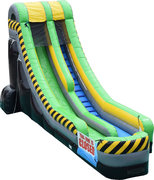
Final thoughts from many sunny weekends
Inflatable waterslides turn a hot day into an event kids remember in detail months later. They carry enough spectacle to satisfy the “wow” factor, yet they are simple at heart: climb, laugh, splash, repeat. The difference between a good day and a truly great one tends to come down to preparation. The right size for the space, a realistic read on your guest ages, smart placement, and two alert adults who keep the vibe light while holding the line on rules.
If you want to branch out, mix in a bounce house obstacle course or a couple of inflatable interactive games for kids to fill the edges of your run time. Keep food light, water handy, sunscreen frequent, and the playlist sunny. If your budget leads you to a classic bouncy house or a smaller bounce castle instead, the same principles apply: measure, supervise, and keep the energy flowing. Inflatables for parties succeed when the grownups design a backyard that works as well as it looks.
One last anecdote. During that first waterslide birthday, my son’s shy friend sat on the lawn, half interested, half intimidated. We gave him a job as “slide starter,” a fancy title that meant he checked if the lane was clear and gave each kid a thumbs-up. Ten minutes later he had assigned himself the final test run for every group. He slid, popped up, and sprinted to the ladder for another go. If a waterslide can pull a quiet child into the center of the laughter, it is doing something right. And on a day that would have felt too hot, that is exactly the kind of memory worth making.